
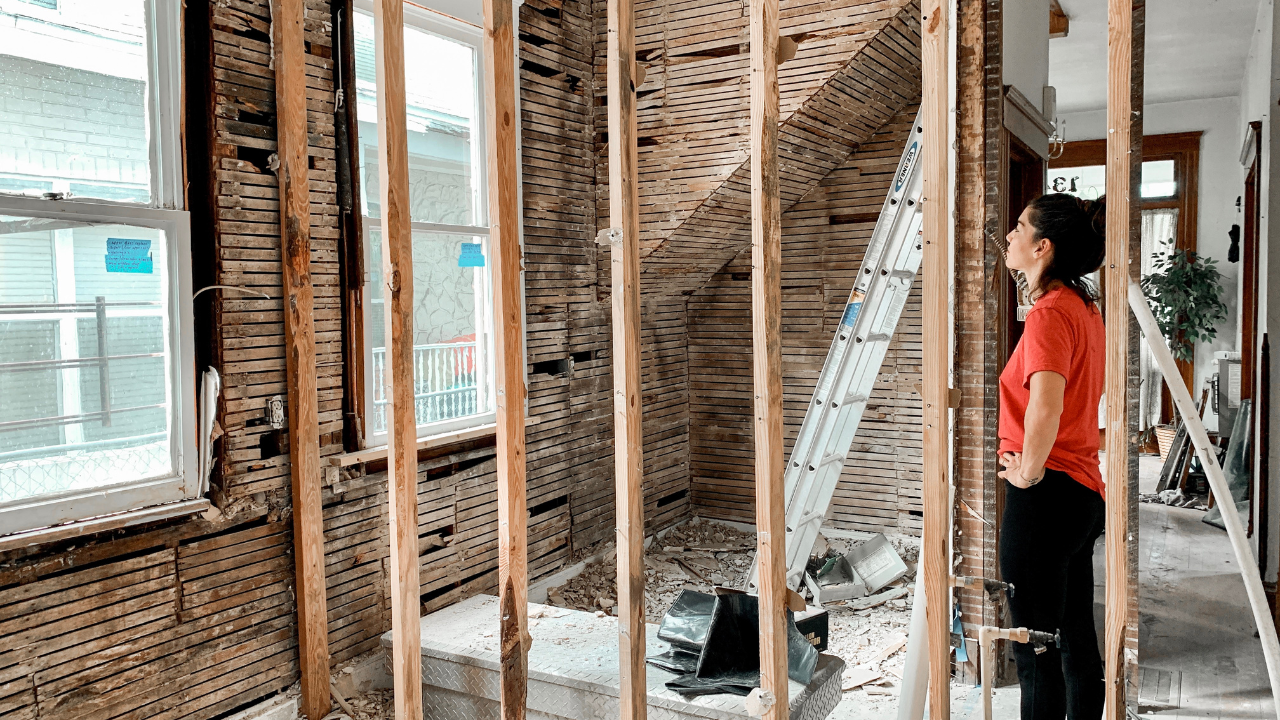

In a market rife with barriers, biases, and escalating costs, single women aren’t just purchasing homes—they’re reshaping the narrative of homeownership entirely. Driven by necessity, ambition, or aspirations for long-term stability, women across the country are increasingly buying homes independently, marking a significant shift in economic and social dynamics.
According to a 2023 LendingTree study, single women own 10.76 million homes compared to 8.12 million single men. This statistic alone challenges traditional stereotypes of the American homeowner. Still, the journey for women is rarely straightforward.
Cracks In the Foundation: A History of Bias

Women’s relationship with homeownership has dramatically evolved, shaped significantly by landmark legislation. Historically, women faced systemic financial discrimination, severely limiting their economic autonomy. The Equal Credit Opportunity Act (ECOA) of 1974 was pivotal, prohibiting lenders from discriminating based on gender or marital status, enabling many women to obtain credit independently.
Before ECOA, banks often required women to have a male co-signer for loans and mortgages, significantly restricting financial independence and homeownership opportunities. Another critical milestone was the Fair Housing Act of 1968, outlawing discrimination based on gender and marital status in housing transactions, which, combined with ECOA, marked a turning point in women’s economic rights and homeownership capabilities. These legislative changes catalyzed cultural shifts, significantly increasing women’s homeownership rates.
Fixing Up the Cracks With Program and Policy Reform
Single female homebuyers significantly influence housing market trends. The 2023 LendingTree study emphasizes that single women are purchasing homes at a greater rate than single men, shaping market demands and preferences.
According to the National Association of Realtors (NAR) Generational Trends report, single women buyers often prioritize neighborhood safety, affordability, and proximity to work and amenities, which influences community development trends and real estate strategies. These insights indicate the real estate market must adapt to this influential demographic, considering factors such as smaller, more affordable homes, safer neighborhoods, and accessible community infrastructure.
Various state and federal programs specifically assist single female and first-time homebuyers. The Federal Housing Administration (FHA) offers loans with lower down payments and credit score requirements, significantly benefiting first-time buyers.
HUD provides several programs, including down-payment assistance and homebuyer education programs. The National Council of State Housing Agencies (NCSHA) highlights state-level initiatives that offer additional resources tailored for first-time and single homebuyers. These supportive legislative frameworks play a crucial role in enabling single women to overcome financial barriers and successfully enter homeownership.
From Financial Barriers to Market Shapers

Single women significantly influence real estate trends, prioritizing safety, affordability, and convenient locations. Many opt for new builds to avoid hidden repair costs and benefit from modern amenities.
Take Madison Maven, for instance. A 28-year-old first-time homeowner in Round Rock, Texas. She works full-time in the healthcare sector, and purchased her new build home in 2024 after years of saving.
“I knew that I wouldn’t be able to compete with other families buying existing homes, so I went with a new build,” she explained. “It gave me peace of mind to not worry about hidden repairs.”
Madison also spoke about the emotional triumph of going solo.
“First-time homebuyer. Yes. Yes. I’m single, so I thought it was impossible, and it’s not.”
Megan, a 30-year-old single mother based in Texas, represents another face of this movement. She combined incomes with her mother to purchase a multigenerational home after years of renting and struggling with unaffordable housing.
“I’m only ever going to afford a house with my mom’s income or my now husband’s income. It was daunting but necessary,” she said.
For her, homeownership was not just a financial decision but a protective one.
“Home means safety, and safety means peace. I needed that for my kids.”
Navigating the Housing Market with Single Lady Estates®

Recognizing unique challenges faced by single women, Bobbie Wasserman founded Single Lady Estates®. After encountering multiple legal challenges when purchasing her home, Wasserman identified a critical need: a dedicated support system for women homeowners.
Single Lady Estates® provides concierge services, vetted contractors, and robust community-building opportunities tailored specifically to women.
“One of the reasons I even thought of Single Lady Estates was my own homeownership experience,” Wasserman recalls. “I realized women needed robust, reliable support networks.”
Madison also spoke to the value of such communities. Unlike many homebuyers, she had the support and guidance through the entire process of building and designing her home, thanks to KB Home’s tried and true processes.
She said this about her homebuying team, “It really feels like a family and I didn’t feel like a number. These are just such kind, compassionate people that love what they do. And it shows so genuinely. That’s—you can’t fake that.”
Wasserman further emphasizes, “Community building is priceless and addresses one of the primary reasons women hesitate to pursue solo homeownership.”
Homeownership Strategies and Tips for Single Women

Navigating the path to homeownership involves critical financial literacy steps. The Consumer Financial Protection Bureau (CFPB) offers comprehensive resources to guide single women through the homebuying process.
Key steps include:
- Building and maintaining a good credit score by paying bills on time and keeping credit utilization low.
- Understanding debt-to-income (DTI) ratios, crucial for mortgage qualification, generally required to be below 43%.
- Saving for a down payment, typically ranging from 3% to 20% of the home price, depending on the loan type.
- Exploring mortgage types (FHA, conventional, VA, USDA) and understanding their qualifications and benefits.
HUD-approved counseling agencies also provide educational programs specifically designed for first-time homebuyers, covering topics from budgeting and mortgage applications to home inspections and closing processes.
Empowering Women through Wealth and Financial Education

By 2030, women will control more than $30 trillion in financial assets, a significant economic force demanding strategic management. Single Lady Estates® addresses this by offering educational resources around estate planning, investment, and wealth management specifically linked to homeownership.
“Women need tools to leverage this wealth effectively,” Wasserman asserts.
“Independence matters, but interdependence is also crucial. Women thrive in networks of support.”
Wasserman advocates active engagement in policy-making, urging women to stay informed through local representatives and community councils. She encourages, “Stay informed by joining newsletters and attending town halls. Women’s participation is essential for shaping equitable housing policies.”
Policy initiatives such as first-time homebuyer tax credits and down-payment assistance further open pathways for single women. Single Lady Estates® actively informs members about these pivotal opportunities.
The Future of Female Homeownership

The growing number of single women homeowners represents more than statistical significance—it marks a substantial social and economic transformation. Comprehensive support networks, tailored educational resources, and proactive community involvement are crucial for sustaining this shift. Single Lady Estates® exemplifies how a specialized platform can transform solitary homeownership experiences into collective, empowering journeys.
“Owning a home doesn’t have to be a solo adventure,” Wasserman emphasizes. “We’re here to ensure no woman feels isolated.”
This evolving narrative underscores women’s resilience, ambition, and visionary leadership—redefining homeownership as a pathway not merely to financial stability, but to emotional empowerment and community strength.
Leave a Reply